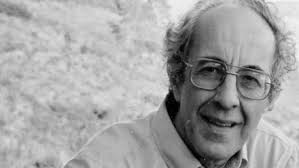

헨리 나우웬 신부 상처입은 치유자 (Wounded Healer) Henri Nouwen (1932-1966)
"내 은혜가 네게 족하도다 이는 내 능력이 약한 데서 온전하여짐이라. "
고후12:9
우리는 모두 인생의 어느 시점에서 길을 잃었다는 느낌을 받곤 한다. 겉으로는 성공한 직업인, 헌신적인 부모, 혹은 신심깊은 신자의 모습을 하고 있지만, 내면에서는 “진정 하나님을 어떻게 경험할 수 있는가?”라는 갈망들이 다 있다. 현대 기독교 영성의 거장이며, 자신의 연약함을 통해 하나님의 강함을 드러냈던 헨리 나우웬(Henri Nouwen)의 삶과 영성을 통해 우리가 가야 할 길을 배우고자 한다.
헨리 나우웬은 예일, 하버드 대학교의 저명한 교수였고 수많은 이들, 특히 개신교 목사들의 존경을 받는 학자이자, 영성가이자, 가톨릭 신부였다. 하지만 그가 많은 사람들의 마음을 사로잡은 것은 그 화려한 명성 뒤에 숨겨진 자신의 내적 갈등과 외로움을 숨기지 않았기 때문이다.
그는 『제네시 일기』를 통해 수도원에서의 7개월을 기록하며, 성직자들이 가진 내적 고민들을 적나라하게 보여 주었다. 그는 “하나님을 아는 이론”이 아니라 “하나님과 함께 사는 실제” 생생한 모습을 경험하길 원했다.
많은 사람들이 자신의 성적 정체성으로 인한 갈등, 인정받고 싶은 욕구, 고독함속에서 고통을 받고 있다. 나우웬 신부도 신부이기 이전에 성적인 정체성으로 인하여 자신이 고통을 받으며 살고 있었다.
그는 모든 인간들이 공통적으로 경험하는 내적인 갈등을 솔직하게 나누었고, 그 자리에서 이렇게 기도하곤 했다. “하나님, 나는 모든 것을 통제하고 싶고 내 인생의 주인이 되고 싶습니다. 하지만 주님, 당신이 나의 손을 잡고 인도해 주옵소서.”
참 신앙은 내가 얼마나 거룩한지를 증명하는 것이 아니라, 내가 얼마나 하나님이 필요한 존재인지를 정직하게 고백하는 데서 시작된다는 것을 그는 글에서, 생활속에서 보여 주었다. 대개 존경받는 위치에 있으며, 더구나 신부로서 살아가려면 솔직하기 쉽지가 않은데, 친구에게 자신의 고민을 얘기하듯 독자들과 나누면서 신앙적 자유를 위한 길을 모색해 주었다.
나우웬의 삶에서 가장 놀라운 전환점은 하버드라는 특권을 포기하고, 캐나다 토론토의 발달장애인 공동체인 ‘라르쉬(L’Arche)’ 공동체로 들어간 것이다. 사람들은 이해하지 못했다. 하지만 그는 그곳에서 말 한마디 할 수 없는 중증 장애인 친구 아담(Adam)을 돌보며 인생의 가장 큰 진리를 깨닫는다. “하나님의 마음에 더 가까이 가기 위해서 나는 더 낮은 곳으로 가야 했습니다.”
그는 『상처 입은 치유자』라는 용어를 통해, 우리가 치유를 받는 것은 누군가의 완벽함 때문이 아니라, 상처 입은 사람이 그 상처를 통해 타인의 아픔을 공감할 때 일어난다는 것을 보여주었다. 예수 그리스도께서 그러하셨듯이, 우리의 약함은 부끄러움이 아니라 하나님의 능력이 머무는 통로가 된다는 것이다.
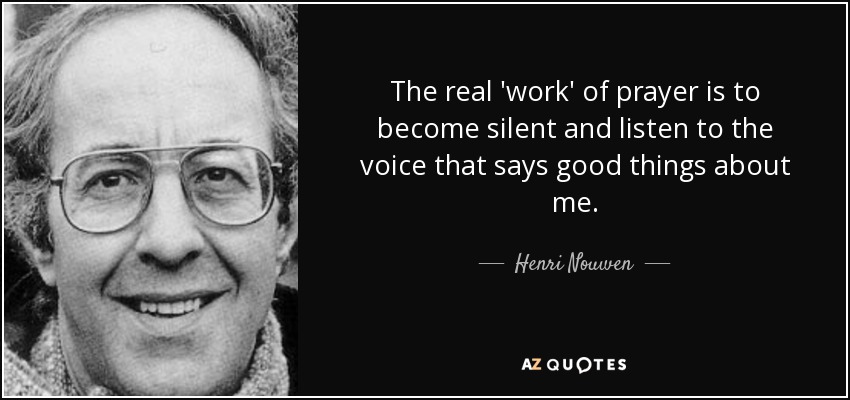
나우웬이 가르쳐준 기도는 화려한 수사학이 아니라, 하나님의 음성에 귀를 기울이는 법이라 하였다. 기도는 하나님을 나의 좁은 생각 속에 가두는 것이 아니라, 하나님의 빛 가운데서 “나는 인간이고, 당신은 나의 하나님입니다”라는 자각으로부터 시작한다. 우리가 쌓아 놓은 교만의 벽, 방어기제의 벽을 하나님께서 허무실 때까지 기다리는 것, 그것이 나우웬 신부가 말하는 기도이다. 기도의 끝에서 우리가 들어야 할 단 한 마디는 “사랑하는 내 아들아, 내 딸아, 너는 나의 사랑하는 자녀다”라는 엄연한 사실이다.
헨리 나우웬은 40권이 넘는 책을 통해 전 세계 수백만 명에게 감동을 주었지만, 그의 가장 큰 메시지는 그의 ‘성공’이 아니라 ‘내려놓음’과 ‘연약함’의 인지에 있었다. 사순절에 그의 책들은 참 좋은 기도 안내서이다. 나우웬은 이렇게 말했다: “오늘 우리가 배워야 할 기도는 거창한 기도가 아니라 아주 단순한 기도입니다. ‘주님, 제 손을 잡아 주십시오.’”
헨리 나우웬의 기도
“하나님, 나는 내 인생을 내가 통제하고 싶습니다. 내 인생의 주인이 되고 싶습니다. 그러나 하나님 당신은 제게 말씀하셨지요. ‘내가 네 손을 잡고 너를 인도하게 하여라.’ 주님, 당신의 사랑을 받을 수 있도록 내 손을 활짝 열어 주십시오.”
“기도는 하나님께 말하는 것보다 먼저 하나님께 귀 기울이는 것이다.”
“기도 없는 행동은 위험하고, 행동 없는 기도는 힘이 없다.”
“기도는 단순히 말을 많이 하는 것이 아니라 하나님 앞에 머무는 것입니다. 듣는 것입니다. 기다리는 것입니다. 손을 펴는 것입니다. 그리고 하나님이 우리를 인도하시도록 자신을 맡기는 것입니다.”
“기도는 특별한 사람이 하는 것이 아닙니다. 기도는 완벽한 사람이 하는 것도 아닙니다. 기도는 하나님이 필요한 사람이 하는 것입니다. 우리가 기도할 때 기억해야 할 한 가지가 있습니다. 기도는 우리가 하나님을 찾는 시간이 아니라 하나님이 우리를 붙잡는 시간입니다.”
Wounded Healer, Henri Nouwen
(1932-1966)
“My grace is sufficient for you, for my power is made perfect in weakness.” (2 Corinthians 12:9)
All of us, at some point in life, feel as if we have lost our way. Outwardly, we may appear to be successful professionals, devoted parents, or faithful believers, yet inside we all carry the same longing: “How can I truly experience God?” Through the life and spirituality of Henri Nouwen, a giant of modern Christian spirituality who revealed God’s strength through his own weakness, we can learn the path we are called to walk.
Henri Nouwen was a renowned professor at Yale and Harvard, respected by many people, especially Protestant pastors. He was a scholar, a spiritual writer, and a Catholic priest. But what truly touched people’s hearts was not his fame, but his honesty about his inner struggles and loneliness behind that impressive reputation.
Through The Genesee Diary, he recorded seven months in a monastery and openly revealed the inner struggles many clergy experience. He did not want merely “the theory of knowing God,” but the real experience of “living with God” in everyday life.
Many people suffer from inner conflicts—struggles with identity, the desire to be recognized, and deep loneliness. Nouwen himself suffered from personal struggles related to his own identity long before he was known as a priest and writer.
He honestly shared the inner conflicts that all human beings experience, and he often prayed like this: “God, I want to control everything and be the master of my life. But Lord, please take my hand and lead me.”
True faith, he showed through his writings and his life, does not begin by proving how holy we are, but by honestly confessing how much we need God. It is not easy to be honest when you are respected and especially when you live as a priest, yet he shared his struggles with readers as if speaking to a close friend, helping them find a path toward spiritual freedom.
The most surprising turning point in Nouwen’s life was when he gave up the privilege of Harvard and entered the L’Arche community in Toronto, Canada, a community for people with developmental disabilities. People did not understand his decision. But there, while caring for a severely disabled friend named Adam who could not even speak, he discovered one of the greatest truths of his life: “In order to be closer to the heart of God, I had to go to a lower place.”
Through the term “the wounded healer,” he taught that healing does not come from someone’s perfection, but when a wounded person understands and embraces the pain of others through their own wounds. Just as Jesus Christ did, our weakness is not something to be ashamed of, but a place where God’s power can dwell.
Nouwen taught that prayer is not beautiful rhetoric, but learning to listen to God’s voice. Prayer is not putting God inside our small thoughts, but standing in God’s light and realizing, “I am human, and You are my God.” Prayer is waiting until God breaks down the walls of pride and the walls of our defenses that we have built. That, he said, is prayer. At the end of prayer, the one thing we must hear is this: “My beloved son, my beloved daughter, you are my beloved child.”
Henri Nouwen wrote more than forty books and touched millions of people around the world. But his greatest message was not his success, but his letting go and his acceptance of weakness. His books are especially wonderful guides for prayer during the season of Lent. He once said: “The prayer we must learn today is not a grand prayer, but a very simple prayer: ‘Lord, please hold my hand.’”
Henri Nouwen’s Prayers
“God, I want to control my life. I want to be the master of my life. But You said to me, ‘Let me hold your hand and lead you.’ Lord, open my hands so that I may receive Your love.”
“Prayer is not first of all speaking to God, but listening to God.”
“Action without prayer is dangerous, and prayer without action has no power.”
“Prayer is not simply saying many words. It is remaining in God’s presence. It is listening. It is waiting. It is opening our hands and surrendering ourselves so that God may lead us.”
“Prayer is not for special people. Prayer is not for perfect people. Prayer is for people who need God. When we pray, we must remember one thing: Prayer is not the time when we search for God, but the time when God holds on to us.”
Maundy Thursday Communion Service: April 2, 2026 7:00 PM at the Sanctuary.