
회개에서 화해로, 기억에서 치유로
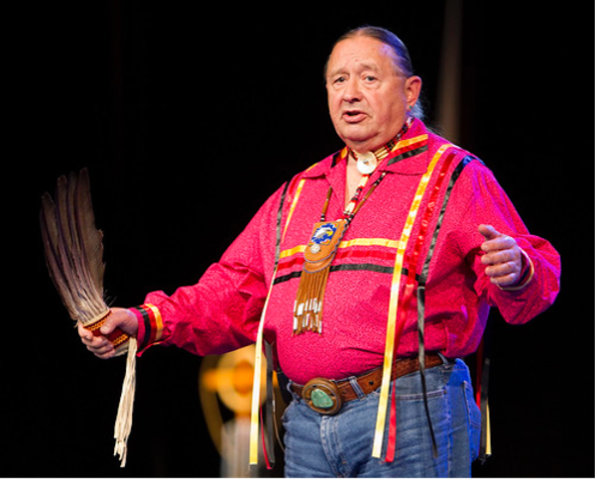
“땅과 거기 충만한 것과 세계와 그 가운데에 사는 자들은 다 여호와의 것이로다.” (시편 24:1)
시편 24:1
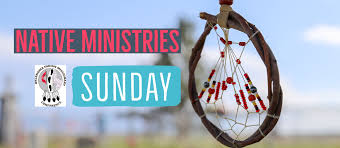
연합감리교회는 매년 네이티브 인디언 주일(Native American Ministries Sunday)을 지킨다. 이 주일은 단순히 어떤 민족을 기념하는 날이 아니다. 그것은 교회가 지나온 역사를 돌아보고, 하나님 앞에서 회개하며, 원주민 공동체와 새로운 관계를 만들어 가기 위해 지키는 날이다.
연합감리교회는 2000년 총회에서 교회가 아프리카계 미국인들에게 저지른 죄를 인정하는 예배가 있었고, 2012년 총회에서는 원주민들을 위한 회개와 치유의 예배를 드렸다. 교회는 지난 200여 년 동안 선교라는 이름으로 원주민들과 관계를 맺어 왔지만, 그 과정에서 그들의 땅을 빼앗고 문화와 언어를 파괴하며 인간의 존엄을 훼손했던 역사적 책임이 있음을 인정한 것이다.
우리가 살고 있는 뉴잉글랜드의 아름다운 땅도 오랜 세월 동안 원주민 공동체가 살아온 땅이다. 왐파노아그(Wampanoag), 페쿼트(Pequot), 모히건(Mohegan)과 같은 원주민 공동체에게 이 땅은 단순한 생활 공간이 아니었다. 그것은 창조주 하나님께서 맡기신 생명의 터전이었다. 그러나 유럽에서 온 이주민들이 들어오면서 원주민들은 땅을 빼앗겼고 문화는 억압되었으며 공동체는 파괴되었다. 이 역사 속에 교회의 책임도 있다.
미국 역사 속에서 원주민들이 겪은 고통은 매우 깊었다. 샌드크리크 학살(1864)과 운디드니 학살(1890)과 같이 무방비 상태의 원주민 마을이 공격을 받아 노인과 여성, 어린아이들까지 목숨을 잃었다. 또한 정부는 원주민들을 조상의 땅에서 쫓아내어 보호구역으로 강제로 이주시켰고, 그 과정에서 수많은 사람들이 추위와 질병, 굶주림 속에서 죽어 갔다.
가장 아픈 역사는 선교사들이 만든 교육 정책이었다. “인디언을 죽이고 사람을 살려라(Kill the Indian, Save the Man)”라는 슬로건 아래 원주민 아이들은 부모에게서 강제로 떼어져 기숙학교로 보내졌다. 그곳에서 아이들은 자신의 언어를 사용하지 못했고 전통 문화를 버려야 했으며, 머리카락이 잘리고 전통 의복도 입을 수 없었다. 많은 아이들이 학대와 질병, 영양실조로 목숨을 잃었고, 학교 주변에 묻히기도 했다. 이것은 단순한 교육 정책이 아니라 한 민족의 정체성을 없애려는 문화 말살 정책이었다.
이러한 역사를 바라보면서 교회는 질문하게 되었다. 과연 우리는 복음을 전했던 것인가, 아니면 우리의 문화와 생각을 다른 사람들에게 강요했던 것인가. 그 질문 속에서 교회는 회개의 길을 선택하게 되었고, 그 결과가 바로 네이티브 인디언 주일이다.
뉴잉글랜드 연회에서도 이러한 노력을 이어가고 있다. 연회에는 CONAM(Committee on Native American Ministries)이라는 위원회가 있다. 이 위원회는 교회들이 원주민의 역사와 문화를 바르게 이해하도록 돕고, 원주민 공동체의 목소리가 교회 안에서 존중 받도록 돕는 역할을 하고 있다. 그 가운데 하나가 토지 인정(Land Acknowledgment)이다. 예배나 모임을 시작할 때 우리가 서 있는 이 땅이 원래 누구의 땅이었는지를 기억하는 것이다.
왜 이런 기억이 중요할까. 성경은 끊임없이 “기억하라”고 말하기 때문이다. 이스라엘 백성은 애굽에서 종살이하던 역사를 기억했고, 광야 40년의 고난을 기억했으며, 그 가운데서 하나님이 베푸신 은혜를 기억했다. 기억은 단순한 과거 회상이 아니라 신앙의 시작이다.
또한 우리는 원주민 공동체로부터 배울 것도 많다. 그들은 오랫동안 땅과 함께 살아가는 삶을 배워 왔다. 자연을 정복의 대상이 아니라 함께 살아가는 창조 세계로 이해했다. 오늘날 환경 위기와 기후 변화로 지구가 신음하는 시대에, 그들의 지혜는 우리에게 중요한 교훈이 된다. 참된 신앙은 가르치기만 하는 신앙이 아니라 배울 줄 아는 겸손한 신앙이다.
결국 인디언 주일은 우리에게 복음의 본질을 다시 생각하게 한다. 예수님의 십자가는 단지 개인의 구원을 위한 사건이 아니다. 십자가는 하나님과 인간 사이의 벽을 허물고, 인간과 인간 사이의 벽을 허물며, 민족과 문화 사이의 벽을 허무는 화해의 사건이다. 십자가는 서로 다른 사람들이 함께 살아가는 새로운 공동체를 만든다.
그래서 인디언 주일은 우리에게 하나의 신앙의 길을 보여 준다. 기억에서 시작하여 회개로 나아가고, 회개에서 화해로 나아가며, 화해에서 치유로 나아가는 길이다.
사순절을 맞아 우리는 스스로에게 질문한다. 우리는 정말 복음을 전하고 있는가, 아니면 우리의 문화와 생각을 다른 사람에게 강요하고 있는가. 참된 복음은 다른 사람을 나와 동등한 하나님의 형상으로 대하는 데서 시작된다. 다른 사람의 이야기를 먼저 듣고, 그 존재 자체를 존중하는 삶—그것이 바로 십자가의 길이며 부활을 향해 나아가는 길이다.
Native American Sunday: From Repentance to Reconciliation, From Memory to Healing
“The earth is the Lord’s, and everything in it, the world, and all who live in it.” (Psalm 24:1)
The United Methodist Church observes Native American Ministries Sunday every year. This day is not simply a day to celebrate one group of people. It is a day for the church to look back at its history, repent before God, and seek a new relationship with Native and Indigenous communities.
In the year 2000, the General Conference of the United Methodist Church held a service to confess the church’s sins against African Americans. Later, in 2012, the General Conference held a service of repentance and healing for Native and Indigenous peoples. During that time, the church acknowledged that for more than two hundred years it had often taken Native lands, damaged their cultures and languages, and hurt their dignity while carrying out its mission.
The beautiful land of New England, where we live today, was also home to Native peoples for many generations. For communities such as the Wampanoag, Pequot, and Mohegan, this land was not just a place to live. It was a sacred gift entrusted to them by the Creator. However, when European settlers arrived, many Native people lost their land, their culture was suppressed, and their communities were broken. The church must also recognize its responsibility in this history.
The suffering of Native peoples in American history has been very deep. Events such as the Sand Creek Massacre (1864) and the Wounded Knee Massacre (1890) brought terrible violence to Native villages. Many elders, women, and children lost their lives. In addition, Native people were forced to leave their ancestral lands and move to reservations. During these forced removals, many died from cold, disease, and hunger.
One of the most painful chapters was the education policy created through missionary schools. Under the slogan “Kill the Indian, Save the Man,” Native children were taken away from their families and sent to boarding schools. In these schools, they were not allowed to speak their own language or practice their culture. Their hair was cut, their traditional clothing was taken away, and they were forced to adopt a different way of life. Many children suffered abuse, disease, and malnutrition. Some even died and were buried near the schools. This was not simply education—it was an attempt to erase a people’s identity.
When the church began to face this history, an important question arose: Did we truly share the gospel, or did we force our own culture and ideas on others? Because of this question, the church chose the path of repentance. Native American Ministries Sunday is one result of that decision.
The New England Annual Conference continues this work today. Within the conference there is a group called CONAM (Committee on Native American Ministries). This committee helps churches understand Native history and culture and works to ensure that Native voices are respected within the church community.
One meaningful practice promoted by CONAM is called Land Acknowledgment. At the beginning of a meeting or worship service, people remember and name the Native nations who originally lived on the land where they now stand.
Why is this kind of remembering important? Because the Bible often tells us to remember. The people of Israel remembered their years of slavery in Egypt. They remembered their forty years in the wilderness. And they remembered how God showed them mercy and grace. Remembering is not simply thinking about the past. It is the beginning of faith.
We also have much to learn from Native communities. For many generations, they have lived in close relationship with the land. They have seen nature not as something to conquer, but as part of God’s creation where all life belongs together. In a time when our planet suffers from environmental crisis and climate change, their wisdom can teach us important lessons. True faith is not only about teaching others; it is also about having the humility to learn.
In the end, Native American Ministries Sunday reminds us of the heart of the gospel. The cross of Jesus Christ is not only about personal salvation. The cross breaks down the wall between God and humanity. It also breaks down the walls between people, cultures, and nations. Through the cross, God creates a new community where different people can live together in peace. So Native American Ministries Sunday shows us a path of faith: from memory to repentance, from repentance to reconciliation, and from reconciliation to healing.
During the season of Lent, we ask ourselves an important question: Are we truly sharing the gospel, or are we forcing our own culture and ideas on others? The true gospel begins when we see others as people created in the image of God, just like ourselves. It begins when we listen to their stories and respect their dignity. Living in this way—listening, respecting, and loving—is the way of the cross and the path that leads us toward resurrection.