
종교와 인종위원회 General Commission on Religion and Race (GCORR)
“너희는 유대인이나 헬라인이나 종이나 자유인이나 남자나 여자나 다 그리스도 예수 안에서 하나이니라.”
갈라디아서 3:28
복음은 단순히 개인이 구원받는 이야기가 아니다. 복음은 갈라지고 상처 입은 세상 속에서 서로 돕고 돌보는 새로운 공동체를 만드는 하나님의 능력이다.
하나님은 인간을 하나님의 형상대로 창조했다. 본래 인간은 서로 존중하고 함께 살아가도록 지음 받았다. 그러나 죄 가운데 살아가는 인간은 사람을 나누기 시작했다. 신분으로 나누고, 인종으로 나누고, 성별로 나누며 서로를 차별했다.
사도 바울도 처음에는 그런 사람이었다. 그는 유대인을 우월하게 여기고 이방인을 배척하던 사람이었다. 그러나 예수 그리스도를 만난 뒤 그의 생각은 완전히 바뀌었다. 그리고 그는 아주 위험하고 혁명적인 말을 했다. “우리는 모두 그리스도 안에서 하나다.”
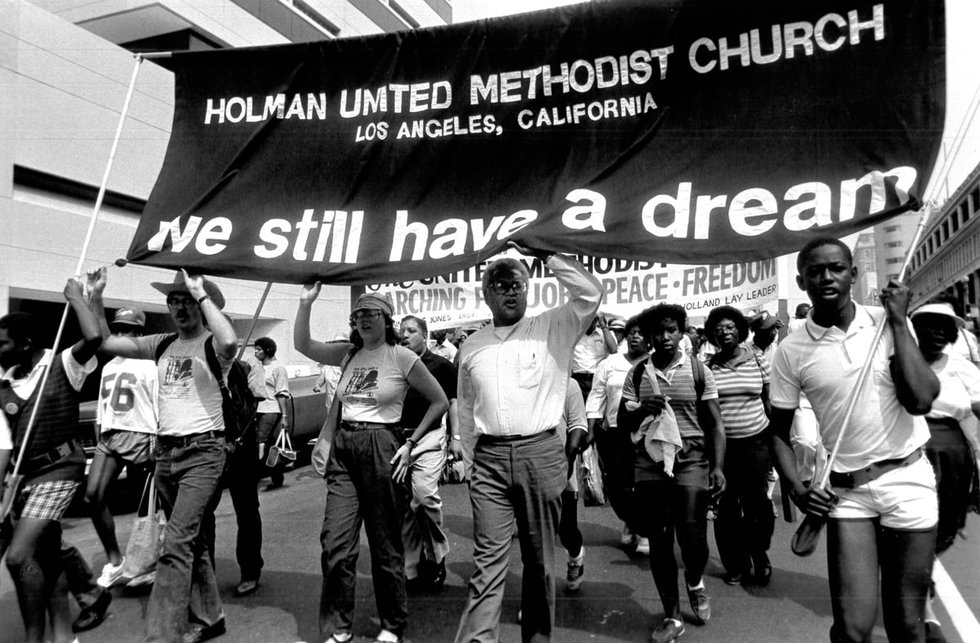
그러나 교회가 항상 이 복음의 정신대로 살아온 것은 아니다. 미국 역사 속에는 흑인과 백인이 같은 교회에서 함께 예배하지 못했던 시대가 있었다. 흑인들은 교회의 지도부에 참여할 수도 없었다. 복음을 믿는 사람들이 모인 교회였지만 사회 속 차별의 구조가 교회 안에도 들어와 있었던 것이다. 어떤 사람들은 심지어 성경을 이용해 노예제도를 정당화하기도 했다.
그때 신실한 그리스도인들이 질문하기 시작했다.“차별을 당연하게 여기는 우리가 정말 복음을 믿는가?” “이렇게 사는 우리가 정말 그리스도의 공동체인가?”
1960년대에 이 질문은 더 크게 터져 나왔다. 미국 사회에서 시민권 운동이 일어났다. 많은 사람들이 거리로 나와 외쳤다. “모든 인간은 동등하다.” 마틴 루터 킹 목사는 이렇게 말했다. “어느 한 곳의 불의도 모든 곳의 정의를 위협한다.” 이 질문은 교회를 향한 질문이기도 했다. 교회는 과연 정의의 편에 서 있는가?
1968년 연합감리교회는 중요한 결단을 내렸다. “우리 교회는 인종차별을 반대한다.” 그러나 교회는 곧 깨달았다. 인종차별은 단순히 개인의 마음 문제만이 아니라 사회와 제도의 구조 속에 존재하는 문제라는 사실이었다.
그래서 교회는 하나의 기관을 만들었다. 종교와 인종 위원회, GCORR이다. 이 기관의 목적은 단순하다. 교회가 계속 스스로에게 질문하도록 만드는 것이다: 교회안에 차별은 없는가? 모든 사람이 교회에서 환영 받고 있는가? 교회의 지도력은 다양한 사람들을 대표하고 있는가?종교와 인종 위원회는 교회의 양심과 같은 역할을 하게 되었다.
종교와 인종 위원회는 단순한 조직 활동이 아니다. 그 중심에는 복음의 가치와 신앙 고백이 있다. 복음은 인간을 차별하지 않는다. 차별은 편견을 가진 인간이 만들어 내는 것이다. 하나님의 교회에서는 모든 인종이 함께 교회를 섬긴다. 남성과 여성이 함께 사역한다. 서로의 은사를 존중하며 함께 복음을 전한다.
하지만 이런 노력들을 불편해 하는 사람들도 있다. “신앙생활만 잘하면 되지 왜 이런 기관이 필요한가?” “교회는 영적인 일만 하면 되지 않는가?” 그러나 좋은 의도만으로는 변화가 일어나지 않는다. 차별은 종종 눈에 보이지 않게 구조 속에 존재하기 때문이다.
그래서 교회는 계속 질문해야 한다. 계속 돌아보아야 한다. 예배를 잘 드리고, 기도를 많이 하고, 성경을 읽는 공동체가 여전히 차별을 하고 있다면 그것은 왜곡된 신앙생활이다. 그래서 다시 질문해야 한다. 우리 교회는 어떤 공동체인가? 서로 다른 사람들이 편안하게 올 수 있는 교회인가? 젊은 세대가 희망을 느끼는 교회인가? 다양한 문화와 배경을 가진 사람들이 환영 받는 교회인가?
사순절은 자신을 돌아보는 시간이다. 우리 안에 있는 편견과 고정관념을 발견하고 회개하는 시간이다. 변화는 거창한 곳에서 시작되지 않는다. 서로를 존중하는 마음, 차별을 거부하는 용기, 다른 사람의 이야기를 듣는 겸손. 이 작은 변화들이 모여 하나님이 꿈꾸는 공동체를 만들어 간다. 사랑과 정의가 함께 흐르는 공동체를 만들어 간다.
The General Commission on Religion and Race (GCORR)
“There is neither Jew nor Greek, slave nor free, male nor female, for you are all one in Christ Jesus.” (Galatians 3:28)
The gospel is not only about an individual being saved. The gospel is God’s power to create a new community in a broken and divided world—a community where people help and care for one another.
God created human beings in the image of God. From the beginning, people were meant to live together with respect and dignity. But sin changed that. Instead of honoring one another, people began dividing each other. They divided people by status, by race, and by gender. And those divisions often led to discrimination and injustice.
The apostle Paul himself once lived that way. He believed Jews were superior and rejected Gentiles. But everything changed when he encountered Jesus Christ. After meeting Christ, Paul said something bold and revolutionary: “We are all one in Christ.” Sadly, the church has not always lived according to this truth.
In American history, there was a time when Black and White Christians could not worship together in the same church. Black people were often excluded from leadership. Even though the church believed in the gospel, the discrimination of society had entered the church.
Some people even tried to justify slavery using the Bible. At that time, faithful Christians began asking difficult questions: Are we really believing the gospel if we accept discrimination? Are we truly the community of Christ if we treat people this way?
In the 1960s these questions became louder. Across America, the Civil Rights Movement rose. People marched in the streets and declared: “All people are equal.” Dr. Martin Luther King Jr. said, “Injustice anywhere is a threat to justice everywhere.”
This was not only a question for society. It was also a question for the church. Is the church standing on the side of justice?
In 1968, The United Methodist Church made an important decision. The church declared: “We oppose racism.” But the church soon realized something deeper. Racism is not only a problem in individual hearts. It can also exist in social systems and institutions—even inside the church. So the church created an organization: The General Commission on Religion and Race (GCORR).
The purpose of this commission is simple but important. It helps the church keep asking honest questions: Are there hidden forms of discrimination in the church? Is everyone truly welcomed in the church? Does the leadership of the church reflect the diversity of God’s people? In many ways, GCORR serves as the conscience of the church.
This work is not just organizational work. At its center is the message of the gospel. The gospel does not divide people. Discrimination is created by human prejudice, not by God. In God’s church, people of every race serve together. Men and women minister together. People with different gifts and backgrounds work together to share the good news.
Some people feel uncomfortable with efforts like this. They may say, “Why do we need this? Isn’t faith enough?” “Shouldn’t the church only focus on spiritual things?” But good intentions alone do not create change. Discrimination often hides inside systems and habits that we do not easily see.
That is why the church must continue asking questions. The church must continue examining itself. A church may worship well, pray often, and read the Bible faithfully. But if discrimination still exists inside that community, something is wrong.
So we must ask again: What kind of community are we becoming? Is our church a place where different people feel safe and welcomed Is it a place where younger generations see hope? Is it a place where people from different cultures and backgrounds feel respected?
Lent is a season for reflection. It is a time to look honestly at ourselves. It is a time to recognize our hidden prejudices and ask God for transformation. Real change does not begin in big public moments. It begins with small choices: Choosing respect. Choosing courage to reject discrimination. Choosing humility to listen to others. When these small changes grow together, they build the kind of community God desires.